
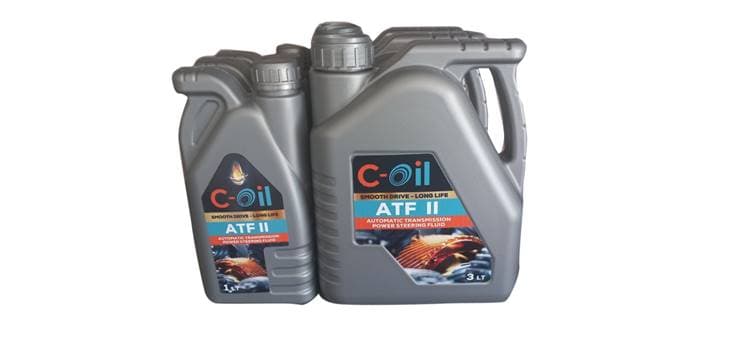
ATF is a different fluid from engine oil: hydraulic medium, lubricant, coolant and friction controller. Why it needs a specific approval, what "lifetime" really means, and when to change it.
Automatic transmission fluid (ATF) does several jobs at once inside an automatic or CVT gearbox: it transmits hydraulic pressure to the torque converter and valve body, lubricates gears and bearings, carries heat to the cooler, and controls the friction coefficient so the clutch plates grip without slipping. That last job sets ATF completely apart from engine oil: the wrong friction property means shift shudder and early clutch wear.
Why not just "any ATF"
Every transmission maker defines its own friction and viscosity profile. Old generic standards (Dexron III, Mercon) are not adequate for most modern 6-, 8- and 9-speed transmissions, which require a maker-specific approval (e.g. ZF Lifeguard, Aisin, Mercedes 236.x, VW/Audi G 060 162). CVT gearboxes use a separate fluid class, and ATF and CVT fluid are never interchangeable. The right fluid is found from the transmission code and the maker's chart.
What "lifetime fluid" means
Some makers declare the transmission "filled for life". "Life" here usually means the end of the usage period the maker foresees (e.g. 8 years / 150,000 km), not the life of the vehicle. Hot climate, towing, stop-start city driving and heavy load shorten that markedly. In practice an ATF change at 60,000–100,000 km is one of the cheapest maintenance items that extends transmission life.
Partial drain or full exchange?
Draining the pan removes only about half the fluid; the rest stays in the torque converter and cooler lines. For a full renewal a machine fluid exchange (flush) is done, or the fluid is renewed by two or three successive partial drains. On a very dirty, high-mileage transmission a sudden full exchange can sometimes cause slipping; a staged change is then preferred. At a change the pan gasket and, where fitted, the transmission filter are also renewed.
Level and temperature
Most modern automatics have no dipstick; the level is checked at a set fluid temperature (usually 30–50 °C) by opening an overflow plug. Too little fluid causes air ingestion and pressure fluctuation; too much causes foaming; both upset shifting. So an ATF change should not be done without a tool that can read the temperature.
In short
ATF is not just the transmission's lubricant; it is its hydraulic medium and friction controller. So the fully approved fluid the transmission maker requires must be used, CVT and ATF must not be mixed, and despite a "lifetime" label it should be changed at 60,000–100,000 km under heavy use. C-Oil produces ATF and CVT fluids meeting a range of maker approvals; we can work out the right product for your transmission code together.